Rust Cleaning Laser Price: What You Need to Know Before Investing
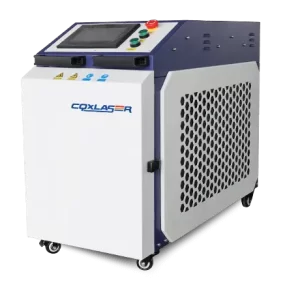
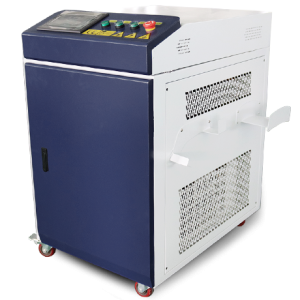
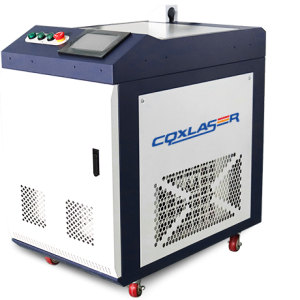
When it comes to restoring metal surfaces, a rust cleaning laser offers a revolutionary approach that’s precise, eco-friendly, and efficient. However, understanding the rust cleaning laser price is crucial for making an informed decision. From basic handheld models to industrial-grade systems, prices can vary significantly based on features, power, and intended applications.
This guide dives deep into the factors influencing pricing, ensuring you know exactly what to expect and how to choose the right solution for your needs.
What Is a Rust Cleaning Laser?
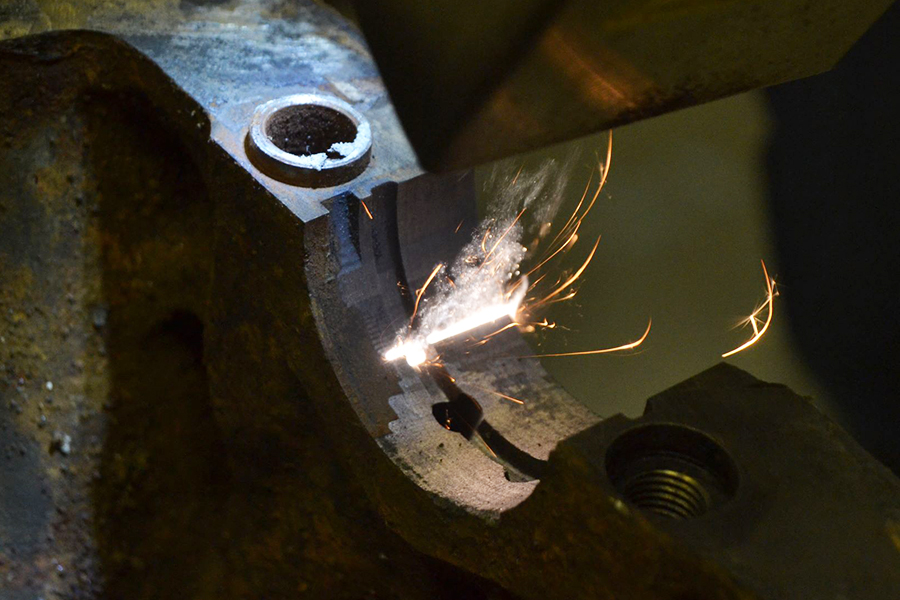
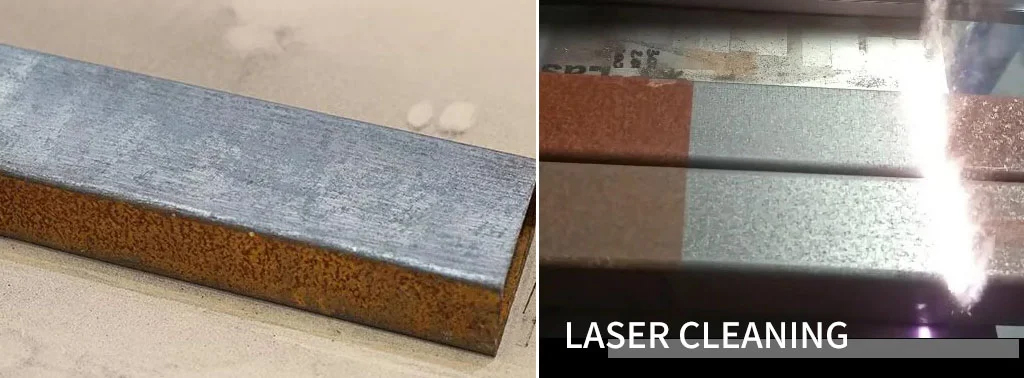
A rust cleaning laser is a device that uses laser technology to remove rust, paint, and other surface contaminants. This non-contact cleaning method relies on laser ablation, a process that vaporizes unwanted materials without damaging the underlying metal.
By targeting specific areas with high-intensity light, rust cleaning lasers offer unmatched precision, making them suitable for industrial, automotive, and even artistic applications.
How Does a Rust Cleaning Laser Work?
The science behind rust cleaning lasers is both fascinating and practical. Here’s how they operate:
1. Laser Emission:The device emits a focused beam of high-energy light.
2. Thermal Interaction:Rust and other contaminants absorb the laser’s energy, causing them to break down and vaporize.
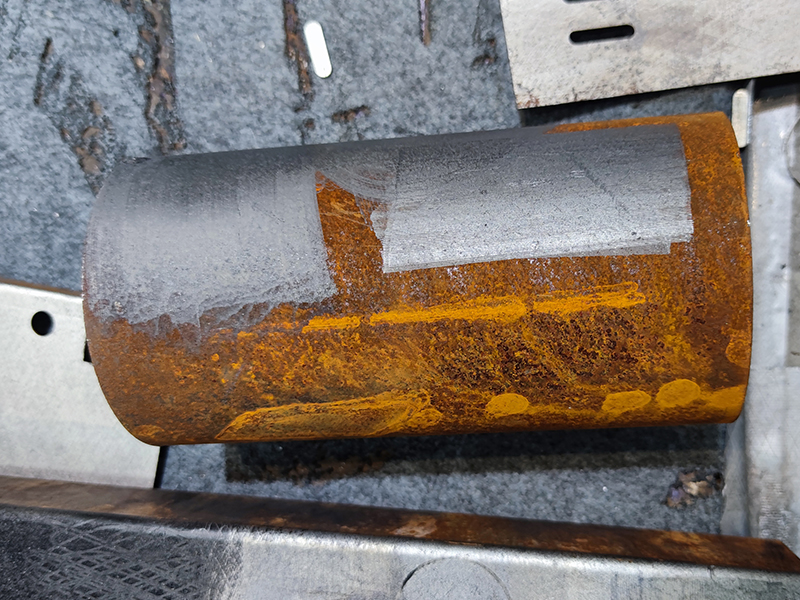
3. Selective Cleaning:The laser’s precision ensures only the rust is removed, leaving the metal surface intact.
4. Residue-Free Process:No chemicals or abrasives are involved, making it an eco-friendly and efficient cleaning solution.
This innovative process is fast, safe, and versatile, suitable for a wide range of surfaces and industries.
Factors That Affect Rust Cleaning Laser Prices
1. Power Output
Laser power is a significant determinant of cost. Lower-powered lasers (20W-50W) are suitable for small-scale tasks and typically cost less. Industrial-grade systems with higher power (100W-2000W) can handle large-scale operations but come at a premium price.
2. Portability
Portable handheld lasers are more affordable than stationary systems, but their lower power output may limit their use for heavy-duty applications.
3. Advanced Features
Modern rust cleaning lasers often include features like adjustable settings, user-friendly interfaces, and safety mechanisms. These features can increase the price but add significant value.
4. Brand and Manufacturer
Established manufacturers may charge higher prices due to their reputation, quality assurance, and after-sales support.
5. Application Scope
The intended use—industrial cleaning, automotive repair, or heritage restoration—can also influence the price. Specialized applications may require customized solutions, which can raise costs.
6. Accessories and Maintenance
Some laser systems include additional components like cooling units, protective enclosures, or software upgrades, which can impact the overall price.
Typical Price Ranges for Rust Cleaning Lasers
Entry-Level Models
• Power:20W-50W
• Price Range:$5,000 – $15,000
• Ideal For:Small-scale cleaning tasks, DIY projects, and light industrial use.
Mid-Range Systems
• Power:50W-100W
• Price Range:$15,000 – $50,000
• Ideal For:Automotive repairs, moderate industrial cleaning, and surface preparation.
High-End Industrial Lasers
• Power:100W-2000W
• Price Range:$50,000 – $300,000+
• Ideal For:Heavy-duty industrial applications, large-scale rust removal, and professional use.
Benefits of Investing in a Rust Cleaning Laser
1. Eco-Friendly Cleaning
Laser cleaning eliminates the need for harmful chemicals, reducing environmental impact and ensuring safer workplaces.
2. Cost Efficiency
Although the upfront cost is significant, long-term savings on consumables, labor, and maintenance make it a cost-effective solution.
3. Versatility
From delicate artifacts to industrial machinery, rust cleaning lasers handle a variety of surfaces and applications with ease.
4. Precision and Safety
The non-contact nature of laser cleaning ensures no damage to the underlying material, making it safer and more effective than traditional methods.
5. Minimal Maintenance
Laser systems are robust and require little upkeep, reducing downtime and operational costs.
How to Choose the Right Rust Cleaning Laser
1. Assess Your Needs
Determine the scale and type of cleaning tasks you’ll be performing. A small workshop may only require an entry-level model, while large-scale industrial operations need high-powered systems.
2. Evaluate Power and Features
Consider the power output, portability, and additional features that align with your specific requirements.
3. Compare Prices
Research multiple manufacturers and compare prices, keeping in mind the value offered by after-sales support and warranties.
4. Check Compatibility
Ensure the laser system is compatible with the materials you’ll be cleaning.
5. Seek Expert Advice
Consult industry professionals or manufacturers to understand the best options for your needs and budget.
Environmental Impact of Rust Cleaning Lasers
Traditional rust removal methods, such as chemical treatments and abrasive blasting, often generate significant waste and environmental hazards. Rust cleaning lasers offer a cleaner, greener alternative:
• No Chemical Waste:The laser vaporizes rust without the need for harmful substances.
• Energy Efficiency:Modern laser systems are designed to minimize energy consumption.
• Reduced Waste:Unlike abrasive blasting, laser cleaning generates no secondary waste.
By investing in a rust cleaning laser, industries can reduce their carbon footprint and contribute to sustainable practices.
Frequently Asked Questions
Q: Are rust cleaning lasers worth the investment?
A: Yes, they offer long-term savings, precision cleaning, and environmental benefits that justify the initial cost.
Q: What materials can be cleaned with a rust cleaning laser?
A: These lasers are effective on metals like steel, aluminum, and iron, as well as other surfaces like plastics and ceramics.
Q: How long do rust cleaning lasers last?
A: With proper maintenance, high-quality laser systems can last for many years, providing consistent performance.
Q: Is training required to operate a rust cleaning laser?
A: While basic training is recommended, most systems are designed with user-friendly interfaces for easy operation.
The Future of Rust Cleaning Lasers
Advancements in laser technology are making rust cleaning lasers more accessible, efficient, and versatile. As prices continue to stabilize and features expand, more industries are adopting this innovative technology.
From precision cleaning to large-scale industrial applications, rust cleaning lasers are paving the way for a cleaner, more sustainable future. Understanding the rust cleaning laser price ensures that you can make an informed investment, unlocking the full potential of this groundbreaking technology.