Laser Cleaner for Wood: A Revolution in Surface Restoration
Wood restoration has long been a challenging process, requiring delicate handling to preserve its natural beauty while ensuring thorough cleaning. Enter the laser cleaner for wood—a technological breakthrough redefining how we clean and restore wooden surfaces. With unmatched precision, eco-friendliness, and versatility, this innovative tool is transforming industries ranging from furniture restoration to historical preservation.
What is a Laser Cleaner for Wood?
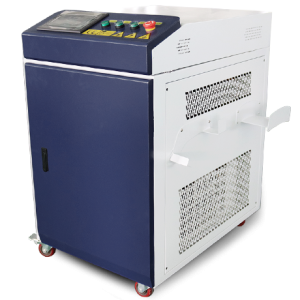
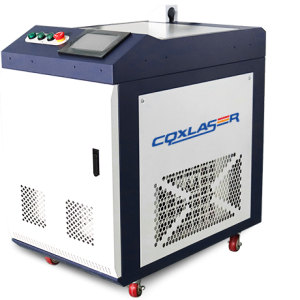
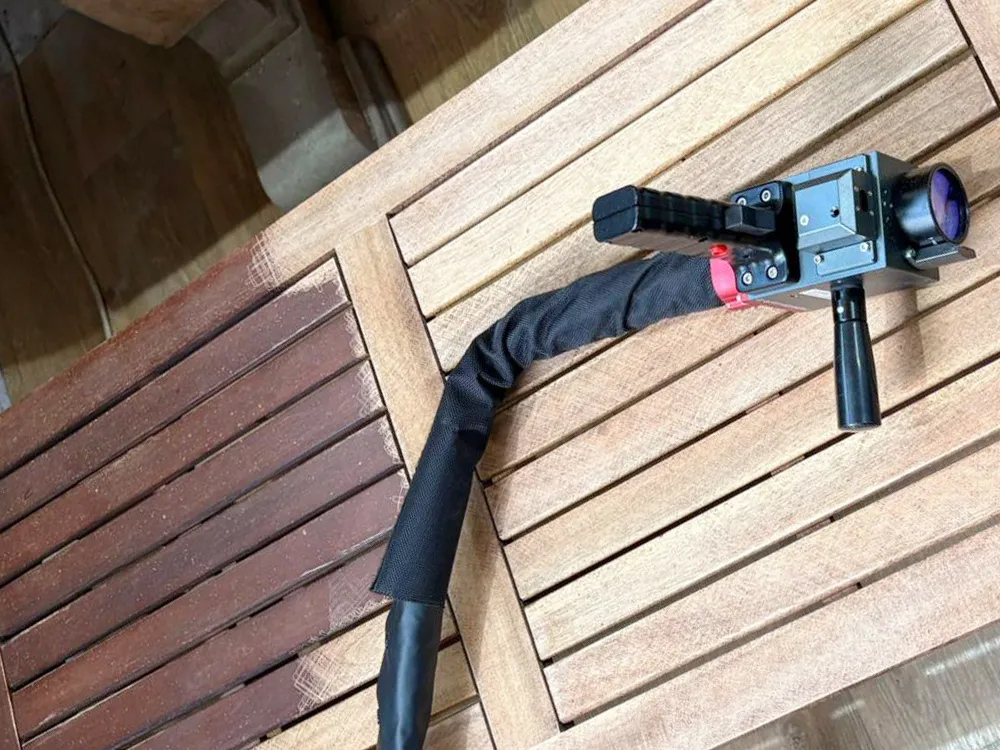
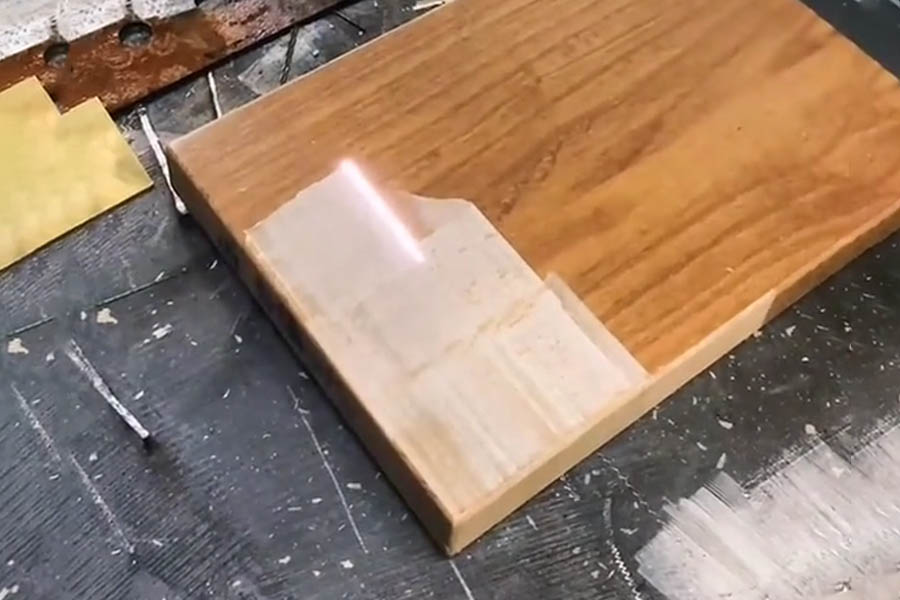
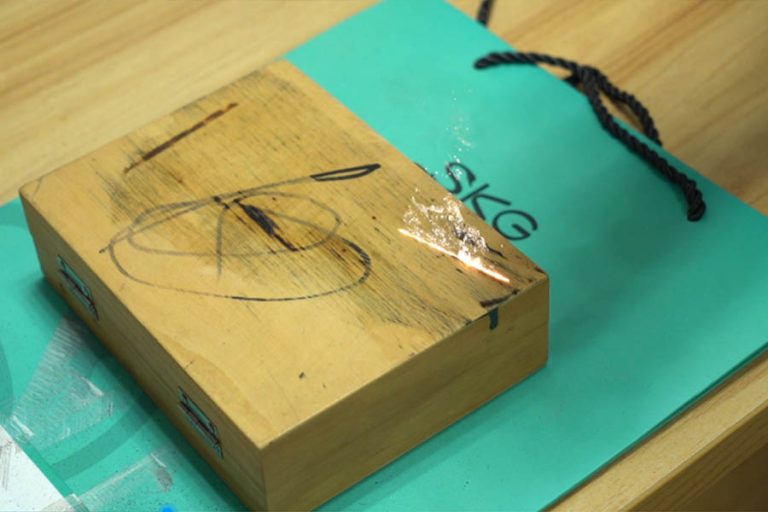
A laser cleaner for wood is a non-invasive device that uses focused laser beams to remove unwanted substances like dirt, grime, varnish, or paint from wooden surfaces. Unlike abrasive or chemical methods, laser cleaning preserves the integrity of the wood, offering a clean surface without causing damage.
How Does a Laser Cleaner for Wood Work?
1. The Science of Laser Cleaning
At its core, laser cleaning employs the principle of laser ablation. When a high-energy laser beam targets the wood, it interacts with contaminants, breaking them down into microscopic particles that are then vaporized or dislodged.
2. Step-by-Step Process
• Emission: The laser cleaner emits a focused beam of light at the targeted area.
• Absorption: Contaminants absorb the laser’s energy, heating up rapidly.
• Removal: The contaminants are vaporized or lifted off, leaving the wood surface clean.
3. Adjustability
Laser cleaners are highly customizable, allowing operators to adjust the beam’s intensity and focus depending on the wood type and the nature of the contaminants.
Advantages of Using Laser Cleaners for Wood
1. Non-Invasive Cleaning
Laser cleaning ensures the wood’s natural texture and grain remain untouched while effectively removing surface contaminants.
2. Eco-Friendly Solution
• No Chemicals: Eliminates the need for harsh chemicals, making it safer for the environment.
• Minimal Waste: Generates negligible waste compared to traditional cleaning methods.
3. Precision and Control
• Targeted Cleaning: The laser beam focuses only on the affected area, avoiding collateral damage.
• Adjustable Settings: Tailored cleaning for softwoods, hardwoods, or delicate finishes.
4. Cost Efficiency
Although the initial investment may be higher, the long-term savings in labor and materials make laser cleaning a cost-effective option.
Applications of Laser Cleaners for Wood
1. Furniture Restoration
Revitalize antique furniture by removing old varnish, paint, or stains while preserving intricate details.
2. Historical Preservation
Used in museums and restoration projects to clean and protect wooden artifacts and structures without causing damage.
3. Flooring Maintenance
Effectively cleans and restores wooden floors, removing dirt and grime while maintaining the natural finish.
4. Industrial Applications
Used in industries like shipbuilding or construction to clean large wooden surfaces efficiently.
Comparison with Traditional Cleaning Methods
| Aspect | Laser Cleaner for Wood | Traditional Methods |
|---|---|---|
| Eco-Friendliness | High | Low |
| Surface Preservation | Excellent | Moderate |
| Precision | High | Low |
| Time Efficiency | High | Moderate |
| Waste Generation | Minimal | High |
Challenges of Using Laser Cleaners for Wood
1. Initial Cost
The upfront cost of laser cleaning equipment can be significant, but the long-term savings in labor and materials offset this investment.
2. Operator Training
Proper training is essential to ensure safe and effective use of laser cleaning equipment.
3. Limited Access to Equipment
Laser cleaning technology is still emerging, and not all industries have easy access to it yet.
Future Trends in Laser Cleaning Technology
1. AI-Powered Systems
Artificial intelligence integration could enable automatic adjustment of laser settings based on the material and contaminants.
2. Portable Designs
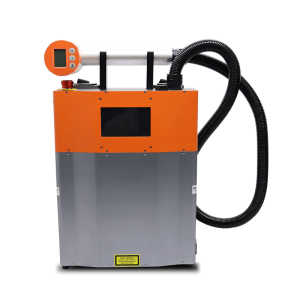
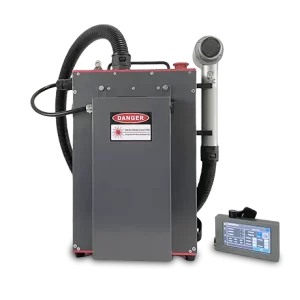
Advancements in compact laser technology will make portable laser cleaners more accessible for on-site applications.
3. Broader Industrial Adoption
As costs decrease and technology advances, laser cleaning is expected to become the standard across various industries.
Tips for Choosing the Right Laser Cleaner for Wood
1. Evaluate Your Needs: Determine the types of wood and contaminants you’ll be working with.
2. Consider Power and Precision: Choose a device with adjustable settings to match your cleaning requirements.
3. Check Portability: For large-scale or on-site projects, opt for a portable system.
4. Factor in Maintenance: Regular maintenance ensures the longevity and performance of your laser cleaning system.
Laser cleaning technology represents a transformative leap in surface restoration and maintenance. Whether you’re preserving history or maintaining modern wooden surfaces, the precision and eco-friendliness of laser cleaners make them an invaluable tool. By understanding how they work and their diverse applications, you can harness this innovation to achieve exceptional results in any wood-cleaning project.