Welcome to CQXLaser! Our working hours are 7×24 hours
Welcome to CQXLaser! Our working hours are 7×24 hours
In a world where precision and efficiency are vital, a cleaning laser for sale is not just a tool; it’s a transformative solution. Whether you’re dealing with stubborn rust, old paint, or intricate coatings, laser cleaning technology offers unparalleled accuracy, eco-friendliness, and ease of use.
This comprehensive guide dives into the workings, benefits, and considerations for purchasing a cleaning laser, ensuring you have the knowledge to make an informed investment.
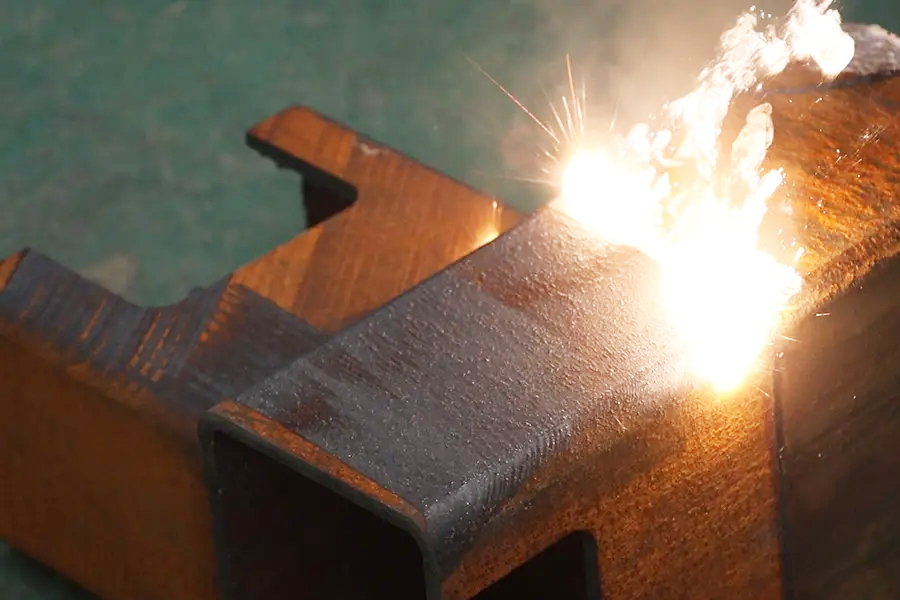
A cleaning laser uses high-energy laser beams to remove contaminants from surfaces without damaging the underlying material. Through a process called laser ablation, the laser vaporizes rust, paint, or dirt, leaving the substrate clean and intact.
The technology is versatile, suitable for industrial applications, artistic restoration, and even precision tasks in aerospace and automotive industries.
The science behind a cleaning laser is both innovative and straightforward:
1. Emission of Laser Beam:The laser emits focused light energy.
2. Thermal Interaction:Contaminants absorb the energy, causing them to break apart or vaporize.
3. Selective Cleaning:The laser targets contaminants without affecting the base material.
4. Waste-Free Process:No secondary waste, such as sludge or dust, is generated.
This method ensures precision cleaning, making it ideal for delicate and complex surfaces.
Allows users to modify the laser’s intensity based on the material and type of contaminants.
Compact models are available for on-site and hard-to-reach areas.
The process eliminates the need for chemicals or abrasive materials, reducing environmental impact.
With fewer mechanical components, cleaning lasers require less upkeep, ensuring long-term reliability.
Advanced models include safety mechanisms to protect operators during use.
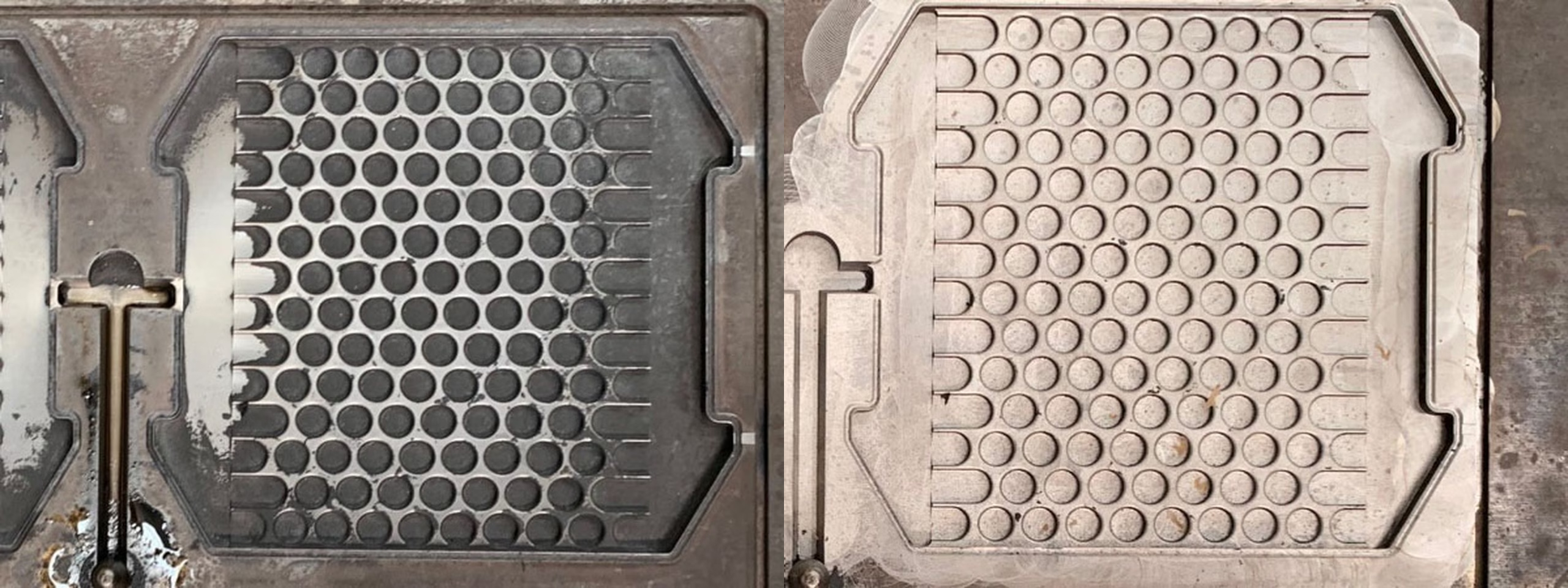
The laser beam focuses on contaminants, preserving the integrity of the underlying material.
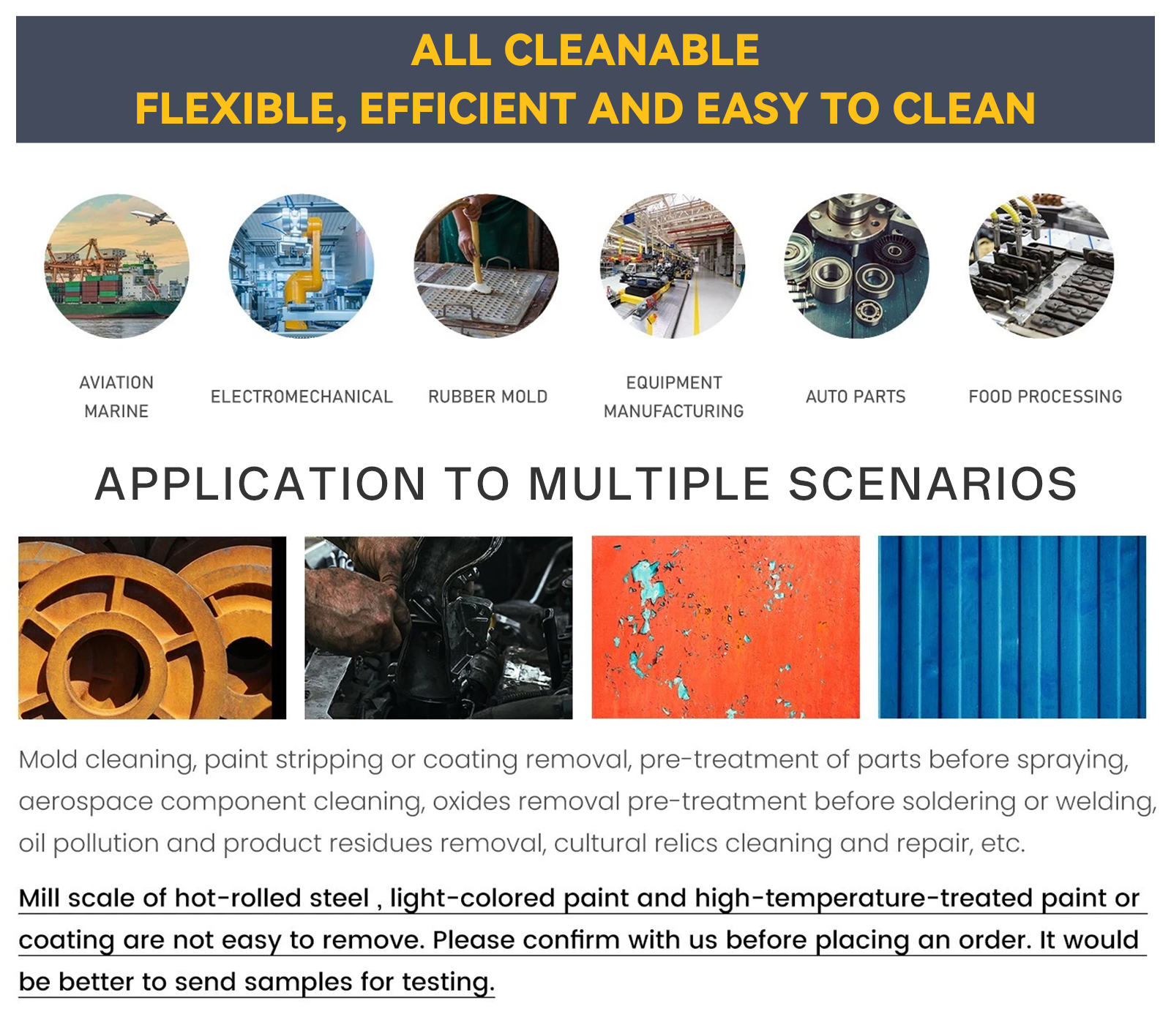
From industrial machinery to historical artifacts, cleaning lasers excel in diverse environments.
Though the initial investment is significant, the long-term savings on consumables and labor make it worthwhile.
Cleaning lasers produce no waste, supporting sustainable industrial practices.
With intuitive controls and non-contact cleaning, these devices minimize risks for operators.
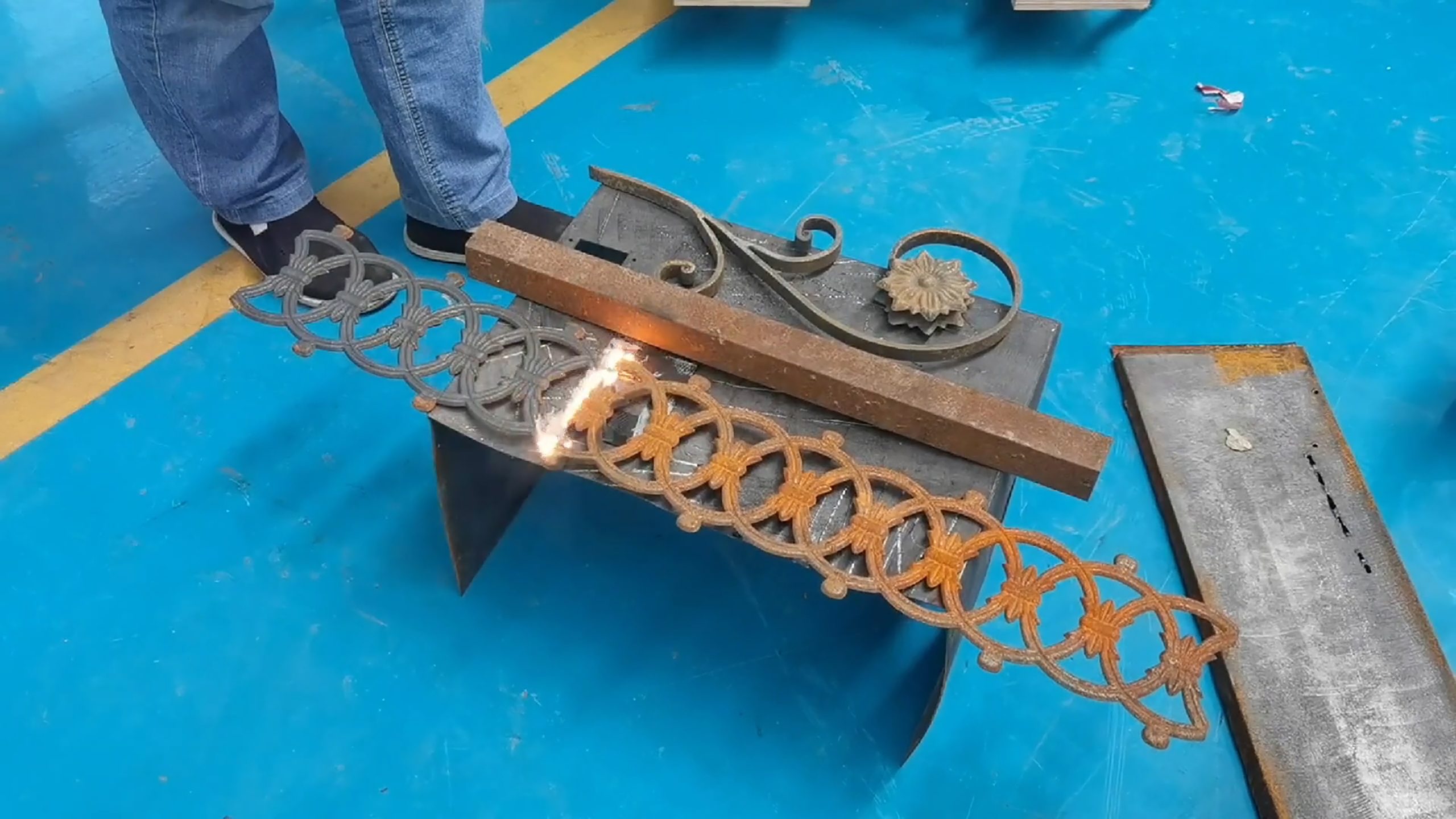
Effectively removes rust from machinery, tools, and vehicles without damaging the metal.
Strips paint layers cleanly, ideal for automotive and aerospace industries.
Restores monuments, sculptures, and artifacts while preserving their original details.
Prepares sensitive aerospace components for coating or repairs with unparalleled accuracy.
Removes biofouling and corrosion from ship hulls, enhancing performance and lifespan.
Choose a power level that matches your cleaning tasks, ranging from 50W for light cleaning to 2000W for heavy-duty operations.
If your tasks involve on-site work, opt for a portable and lightweight model.
Look for adjustable power settings, safety mechanisms, and intuitive interfaces for better usability.
Research various models within your budget to find the best value for your investment.
Ensure the manufacturer provides comprehensive support, including warranties and maintenance services.
• Price Range:$10,000 – $20,000
• Features:Suitable for light cleaning tasks and small-scale operations.
• Price Range:$20,000 – $50,000
• Features:Ideal for medium-duty applications with additional control options.
• Price Range:$50,000 – $100,000+
• Features:Designed for industrial-scale tasks with advanced performance and durability.
Laser cleaning stands out as a sustainable solution by offering:
• Chemical-Free Operation:No harmful chemicals are required, making it safer for both operators and the environment.
• Waste-Free Process:The cleaning process generates no secondary waste, reducing disposal challenges.
• Energy Efficiency:Modern laser systems are designed to minimize energy consumption while maintaining high performance.
This eco-friendly approach aligns with the global push toward greener technologies and industrial practices.
A: Yes, the precision of laser cleaning ensures that delicate materials are not damaged during the process.
A: It works effectively on metals, plastics, ceramics, and even certain composites.
A: With proper maintenance, a high-quality cleaning laser can last for many years, providing consistent performance.
A: Basic training is recommended to ensure safe and efficient operation.
Consider the scale and type of cleaning tasks you’ll be performing.
Research various options to find the best balance between features and price.
Look for advanced controls, portability, and safety mechanisms that match your requirements.
Whenever possible, test the device to ensure it meets your expectations.
Choose a manufacturer that offers reliable after-sales support and comprehensive warranties.
As industries continue to adopt laser cleaning technology, future advancements are expected to include:
• AI-Driven Optimization:Smarter systems that automatically adjust cleaning parameters for optimal results.
• Enhanced Portability:Lighter and more compact designs for increased convenience.
• Energy Optimization:Further improvements in energy efficiency for reduced operational costs.
Investing in a cleaning laser for sale today ensures you stay ahead in adopting cutting-edge cleaning solutions that combine precision, efficiency, and sustainability. Whether for industrial, automotive, or artistic applications, these devices redefine the possibilities of modern cleaning technology.